Tutorials
Learn directly from experts through targeted, in-depth sessions designed to develop your knowledge and practical skills.
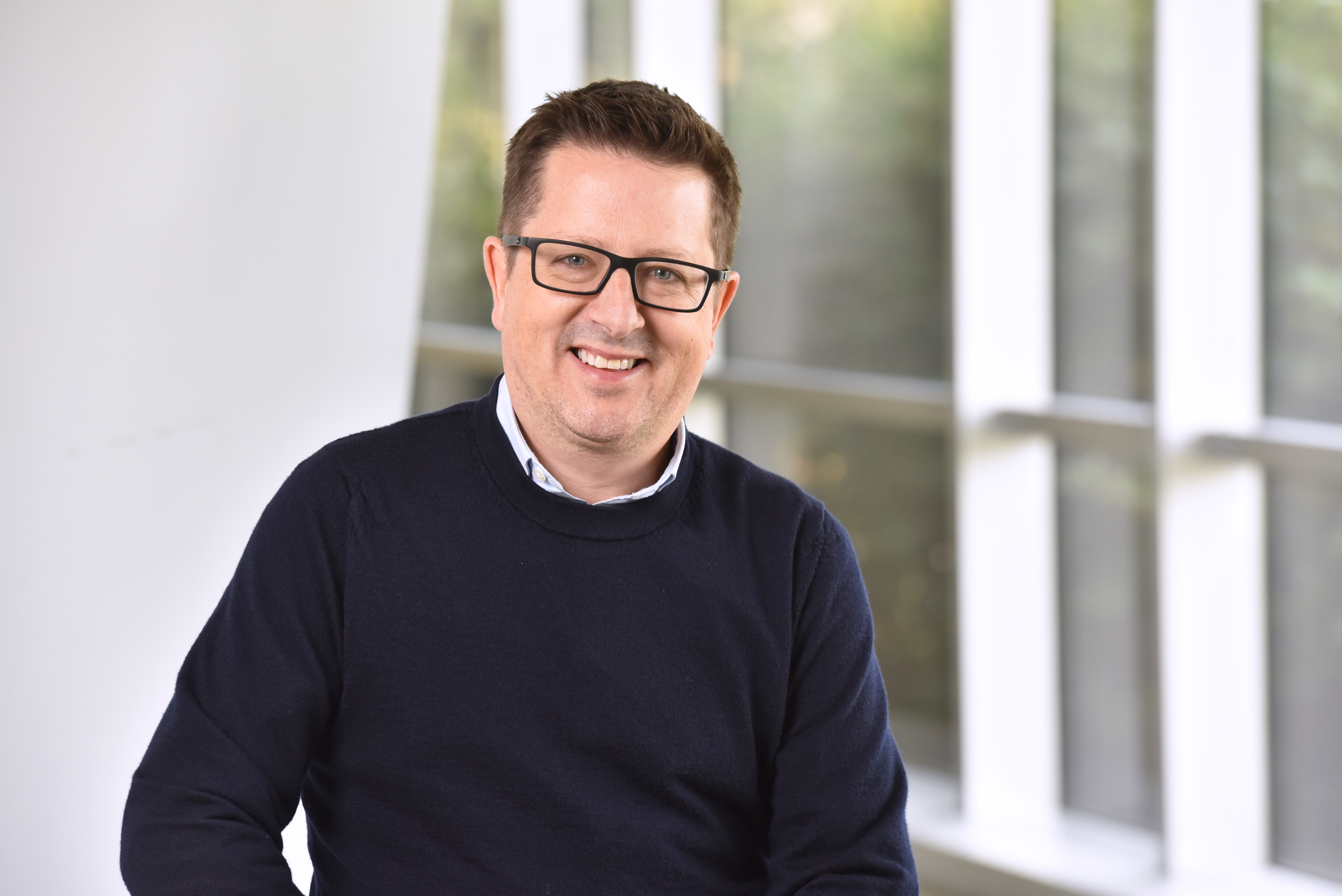
Frédéric Leblond, Eng., Ph.D.
Light, Molecules, and Medicine: The Expanding Role of Vibrational Physics in Surgical Guidance and Diagnostics
Vibrational spectroscopy offers a uniquely powerful window into molecular composition through the detection of chemical bond vibrations. Among these techniques, Raman spectroscopy stands out for its ability to generate rich, highly specific molecular fingerprints from virtually any material. While Raman physics is well understood in laboratory settings, transforming spontaneous Raman scattering into real-time information that can guide clinical decisions in high-stakes environments such as surgery requires a confluence of photonics, data science, and biomedical engineering.
This talk will explore the fundamental physics of Raman scattering with an emphasis on the aspects most relevant to technology development: photon-matter interactions, signal-generation limits, photon budgets, spectral contrast mechanisms, and design considerations for in vivo optical systems. I will contrast spontaneous Raman spectroscopy with coherent approaches such as CARS and SRS, highlighting where each modality excels – and where practical constraints arise when moving from benchtop instrumentation to clinical deployment.
Building on this foundation, I will discuss recent progress in translating Raman systems into tools for surgical guidance, in situ diagnostics, and biofluid-based disease detection. Case studies will be presented across several clinical domains, including infectious disease detection, neurosurgical oncology, breast-conserving surgery, bronchoscopy, prostate cancer diagnostics, and orthopedic applications. These examples illustrate how Raman-derived molecular information can augment medical imaging, support intraoperative decision-making, and improve diagnostic accuracy.
The talk will also address the broader translational landscape: workflow integration, regulatory pathways, commercialization challenges, and strategies for navigating real-world clinical environments. A SWOT analysis will be offered to frame the current opportunities and limitations of vibrational spectroscopy as a medical technology platform.
Together, these perspectives will show how advances in photonics can turn fundamental molecular physics into practical tools that meaningfully improve patient care.
Xin Yuan, Ph.D.
Revolutionizing Inverse Problems in Computational Imaging with AI
Computational imaging (CI) represents a transformative imaging paradigm that synergistically integrates optical encoding and computational decoding. The rapid advancement of artificial intelligence (AI) has revolutionized its core—solving inverse problems for reconstruction—propelling CI systems from laboratory prototypes to industrial applications. This talk charts the evolution of AI-driven reconstruction algorithms, from early CNNs and RNNs to the emergent Transformer architectures and recent diffusion-based generative models. We discuss how the focus has expanded from pursuing accuracy and speed to enabling practical quantization and deployment, and how these algorithms are now actively informing the design of next-generation CI hardware. Looking forward, we envision a dual-path future: large-scale foundation models for unified, multi-modal reconstruction across systems, and specialized lightweight models for task-specific, real-time imaging.